


Email outreach often becomes fragmented as sites add multiple tools for forms, automation, and subscriber management, making consistency harder to maintain. This page presents a curated list of the best options for WordPress email marketing, covering both free and paid plugins available in 2026.
Hopefully, this guide will help site owners compare features, pricing, integrations, and use cases in one place, so they can choose a plugin that fits their audience size, workflow needs, and growth goals.
Capterra, G2, Trustpilot, and Reddit to create an objective evaluation. Learn more about our review methodology
How We Tested These WordPress Email Marketing Plugins
Choosing WordPress plugins involves more than grabbing the most popular option. I focused on factors that actually affect site performance, maintainability, and growth over time.
- Testing Environment. I deployed each plugin on a clean staging site and a production-mirrored environment to surface conflicts, performance impact, and stability issues. This included checking PHP version compatibility, database footprint, asset bloat (scripts/styles), and how cleanly plugins uninstall without leaving orphaned tables or options;
- UI & Automation Builder. I reviewed the admin UI for clarity, discoverability, and speed, then tested each plugin’s automation or workflow builder for real-world usability. Some tools offer polished visual builders that help non-technical users ship quickly; others rely on rule-based logic or shortcodes better suited to developers managing complex flows;
- Integrations & Setup Complexity. I audited native integrations with common stacks (CRMs, email platforms, analytics, forms, and webhooks) and measured setup friction. Key differences showed up in API key handling, OAuth flows, webhook configuration, and documentation quality. Plugins with prebuilt connectors and sane defaults reduced time-to-value significantly;
- Deliverability Approach. I compared how each plugin handles outbound email and notifications, including SMTP configuration, support for dedicated sending services, authentication (SPF/DKIM), retry logic, and bounce handling. Some plugins simply hand off to WordPress mail functions; stronger options provide native SMTP routing, queueing, and basic deliverability diagnostics;
- WooCommerce Compatibility. I evaluated how well each plugin integrates with WooCommerce events, customer data, and transactional flows. This included support for order status triggers, abandoned cart workflows, product and customer segmentation, and performance under catalog-heavy stores. Plugins with first-class WooCommerce hooks and tested templates reduced customization overhead and edge-case bugs.
What to Know Before Choosing a WordPress Email Marketing Plugin
Picking the right email marketing plugin involves more than just comparing feature lists and pricing tiers. Here are six critical factors I recommend evaluating before you commit to any platform.
Security & Data Storage
Your subscriber list is one of your most valuable business assets, so protecting it should be a top priority when selecting an email marketing plugin. I always recommend checking whether a platform offers two-factor authentication, encryption for stored data, and clear data processing agreements that comply with GDPR and other privacy regulations.
The storage model matters too. Cloud-based solutions like Sender, Mailchimp, and Brevo store your data on their servers with enterprise-grade security infrastructure that most small businesses couldn’t implement themselves.
Sender, for instance, maintains strict GDPR compliance and secure data handling without requiring any technical expertise on your part. Self-hosted options like FluentCRM keep everything on your own server, giving you complete control but also making you responsible for security and backups.
Email Deliverability
A beautifully designed email means nothing if it lands in the spam folder. WordPress email deliverability—the percentage of emails that actually reach subscribers’ inboxes—varies significantly between platforms, and I’ve found this is often the most overlooked factor when choosing a plugin.
Cloud-based services handle deliverability for you by maintaining sender reputations and authentication protocols like SPF, DKIM, and DMARC. Sender stands out here with impressive deliverability rates that consistently keep emails out of spam folders—something I’ve verified through my own testing.
Self-hosted solutions require you to configure authentication yourself or connect to an external sending service like Amazon SES, adding complexity and cost. If deliverability is a concern (and it should be), choosing a platform like Sender that has already invested in maintaining a strong sender reputation will save you significant headaches down the road.
Website Performance
Plugins can silently degrade site performance through several factors. Subscriber growth and verbose logging quietly bloat the database, slowing queries and backups if retention isn’t managed. Furthermore, plugins rely on Cron jobs and background queues that add constant load; misfired schedules or stalled workers can pile up and impact page response times.
Bulk sends amplify the problem. Self-hosted sending competes with frontend traffic for CPU, memory, and I/O, while offloaded sending shifts that strain to external infrastructure and keeps WordPress responsive. The difference is especially visible on ecommerce sites, where checkout, inventory syncs, and order emails run concurrently.
Single Plugin vs. Multiple Plugins
I often see WordPress users cobble together different plugins—one for forms, another for popups, a third for email sending—when a single comprehensive solution might serve them better. This approach can work, but it introduces complexity, potential conflicts, and multiple points of failure.
All-in-one platforms bundle lead capture, email marketing, and automation into one package. Sender exemplifies this approach well, combining a drag-and-drop email editor, popup forms, segmentation, and marketing automation in a single WordPress plugin. You won’t need separate tools for list building and email campaigns—everything works together seamlessly.
While specialized tools sometimes outperform bundled alternatives in specific areas, I’ve found that Sender’s integrated feature set covers what most businesses need without the hassle of managing multiple plugins.
WooCommerce & Ecommerce Automation
WooCommerce automation only works if plugins speak fluent “store events.” Cart abandonment flows depend on reliable triggers and timely webhooks; weak implementations miss sessions or fire too late to recover revenue. Order-based triggers should cover status changes, refunds, and fulfillment—not just “order completed.”
Product-based segmentation separates high-intent buyers from casual browsers, but many plugins expose only shallow filters. Post-purchase automation matters just as much: receipts, cross-sells, review requests, and replenishment reminders need tight WooCommerce hooks to feel native.
Finally, revenue tracking is the differentiator. Plugins that attribute opens and clicks back to orders give you real ROI visibility; anything less turns automation into guesswork.
Free Plan Limitations
Free plans are excellent for testing platforms and getting started, but I’ve learned to read the fine print carefully before committing. Most free tiers come with restrictions that can become problematic as your business grows.
Common limitations include subscriber caps (typically 500-2,500 contacts), monthly sending limits, mandatory platform branding, and restricted automation features. This is where Sender genuinely shines—their free plan offers up to 15,000 emails monthly to 2,500 subscribers, which is significantly more generous than most competitors I’ve tested.
You get access to segmentation, automation, and the visual email builder without paying anything, making it easy to build a sophisticated email marketing for WordPress operation before upgrading. When comparing free plans, I recommend using Sender’s offering as your benchmark; if another platform offers less, you should have a compelling reason to choose it over Sender’s more generous limits.
Top WordPress Email Plugins — A Quick Roundup Table
Before I dive into the nitty-gritty details, here’s a quick overview of my top picks for WordPress email marketing plugins in 2026:
| Tool | Best For | Sending Method | Key Features | Pricing |
| Sender | Automated email & SMS campaigns for small to mid-sized businesses | Cloud ESP | Drag-and-drop email builder; segmentation; automation; popups | Free plan available; paid plans from $7/month |
| Brevo | Affordable multi-channel marketing (email, SMS, chat) | Cloud ESP | SMS/WhatsApp automation; personalization; landing pages | Free plan available; paid plans start at $8/month |
| HubSpot | All-in-one CRM + email marketing for WordPress | Cloud ESP | CRM; email automation; forms; analytics | Free plan available; paid plans start at $11/month |
| Mailchimp for WordPress | Lead capture & automated newsletters | Cloud ESP | Popup builder; automation; A/B testing; analytics | Free plan available; paid plans start at $13/month |
| Constant Contact | Enterprise email marketing with event management | Cloud ESP | Drag-and-drop editor; automation; event tools; 300+ integrations | No free plan; paid plans start at $12/month |
| MailPoet | Newsletters & automations directly inside WordPress | MailPoet Sending Service | Native integration; email templates; WooCommerce automations; segmentation | Free plan available; paid plans start at $10/month |
| Klaviyo | Data-driven ecommerce email & SMS automation | Cloud ESP | Real-time segmentation; dynamic content; AI insights | Free plan available; paid plans start at $20/month |
| FluentCRM | Self-hosted email CRM within WordPress | Self-hosted via SMTP | Workflows; dynamic segmentation; full contact profiles | No free plan; paid (one-time/annual) pricing starts at $129/year |
| Groundhogg | Self-hosted marketing automation & CRM inside WordPress | Self-hosted via SMTP | Visual automation funnels; audience tagging; forms & landing pages; CRM pipeline | No free plan; paid plans start at $20/month |
| Mailster | Self-hosted newsletters & campaigns inside WordPress | Self-hosted via SMTP | Drag-and-drop email builder; automation workflows; subscriber management; campaign analytics | No free plan; price starts at $79/year |
| The Newsletter Plugin | Self-hosted email marketing with full data control | Site’s own PHP mail function | Drag-and-drop composer; unlimited subscribers; GDPR compliance | Free version available; paid plans start at €69/year |
| WP Mail SMTP | Improving email deliverability via SMTP | N/A* | SMTP authentication; multiple mailers; logging; tests | Free version available; paid plans start at $49/year |
*WP Mail SMTP does not send marketing emails itself. It’s an SMTP delivery bridge that reroutes WordPress email through external SMTP/mail services such as Gmail SMTP, SendGrid, Mailgun, Amazon SES, Postmark, etc.
Quick Picks: Find the Best WordPress Email Marketing Plugin
Use this list to quickly match your business needs with the right email marketing plugin for WordPress.
- Best Free Plan: Sender (15,000 emails monthly to 2,500 subscribers with unlimited automations, segmentation, and 24/7 support—all free.)
- Best for Ecommerce: Klaviyo (Deep WooCommerce integration with real-time behavioral segmentation, predictive analytics, and AI-driven customer insights.)
- Best for Startups/SMBs: Sender (Intuitive drag-and-drop builder, pre-made automation templates, and generous limits that scale affordably as you grow.)
- Best Budget Option: Sender (Plans starting at $7/month for 12,000 emails—dramatically cheaper than competitors with comparable features.)
- Best for Enterprise/Agencies: HubSpot (All-in-one CRM, advanced marketing automation, detailed analytics, and scalable infrastructure for complex sales funnels.)
- Best for Full Data Control: FluentCRM (Self-hosted WordPress CRM with one-time pricing, eliminating recurring per-subscriber fees while maintaining complete data ownership.)
- Best for Email Deliverability: WP Mail SMTP (Replaces unreliable PHP mail with authenticated SMTP connections, supporting Gmail, SendGrid, Mailgun, and Amazon SES.)
- Best Native WordPress Integration: MailPoet (Operates entirely within your dashboard with seamless WooCommerce automation and no external platform logins required.)
12 Best WordPress Email Marketing Plugins
Here’s my list of the best email marketing plugins for running your email campaigns right from your WordPress admin dashboard.
Let me walk you through each of these WordPress plugins one by one.
Sender — Free WordPress Plugin for Email Marketing
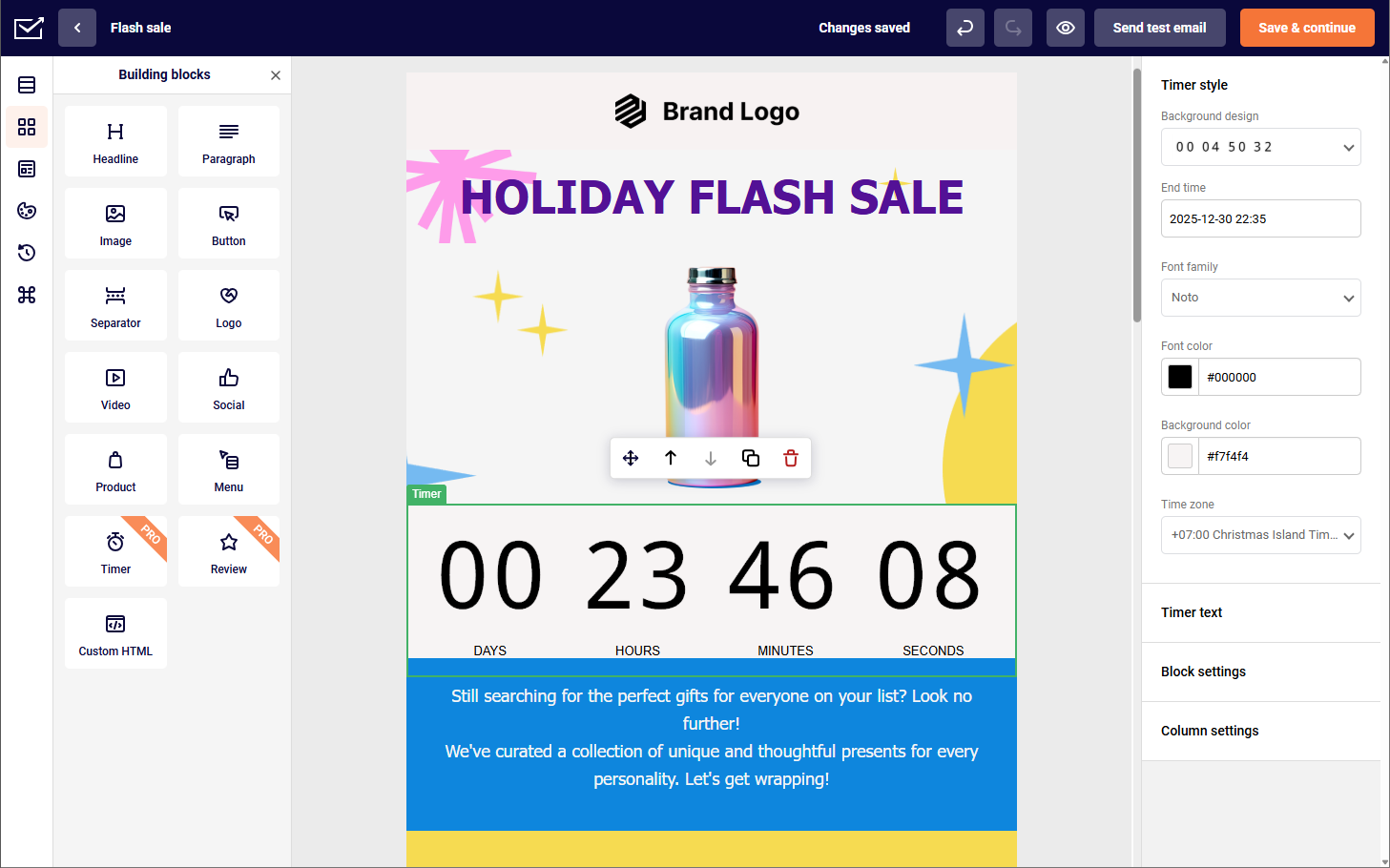
Sender is a cloud-based email and SMS marketing platform with a WordPress plugin for lead capture, list syncing, and campaign management.
It provides tools for building newsletters, automated workflows, and behavioral campaigns, with native integrations for WooCommerce and common form plugins.
Rating on WordPress: 4.7/5.0
Active installations: 5,000+

Sender Pricing: Starts at $7/month for 12,000 emails to 1,000 subscribers; Sender Free Plan: 15,000 emails/month to 2,500 subscribers.
Sender offers a free tier with monthly sending limits and paid plans that scale by email volume and subscriber count. The platform supports transactional and marketing use cases, including abandoned cart flows and post-purchase follow-ups for WooCommerce stores.
Key Features
- Drag-and-drop email editor with responsive templates;
- Automation workflows triggered by events and user behavior;
- Subscriber segmentation and tagging;
- Popup and form builder for list growth;
- WooCommerce integration for ecommerce-triggered campaigns.
Pros & Cons
Pros:
- Free plan with usable sending limits;
- Visual campaign builder suitable for non-technical users;
- Cloud sending infrastructure with built-in deliverability management.
Cons:
- Sender branding on the free plan;
- SMS features limited to paid tiers.
Best For
This platform is particularly well-suited for small to mid-sized WordPress sites looking to deliver newsletters and automated campaigns without the complexity of SMTP configuration or server management.
- Ecommerce automation tailored for WooCommerce. Launch abandoned cart reminders, post-purchase sequences, and re-engagement campaigns to recover lost sales and build long-term customer loyalty.
- Unified email and SMS management. Operate both channels from a single platform with native sending capabilities, reducing reliance on external tools. A consolidated system simplifies campaign execution while maintaining consistent communication.
Plans & Pricing
- Sender Free Plan: 15,000 emails/month to 2,500 subscribers;
- Standard Plan: Starts at $7/month for 12,000 emails to 1,000 subscribers;
- Professional Plan: From $14/month for up to 1,000 subscribers;
- Enterprise Plan: Custom pricing for larger operations with specific needs like unlimited campaigns.
See why businesses choose Sender:
Brevo — Email Marketing Solution for Small Businesses
Brevo is designed for small business owners who want to capture website leads and engage them with personalized emails.
Rating on WordPress: 4.1/5.0
Active installations: 100,000+

Brevo Pricing: Starts at $8/month for 5,000 emails to unlimited contacts; Brevo Free Plan: Up to 300 emails/day.
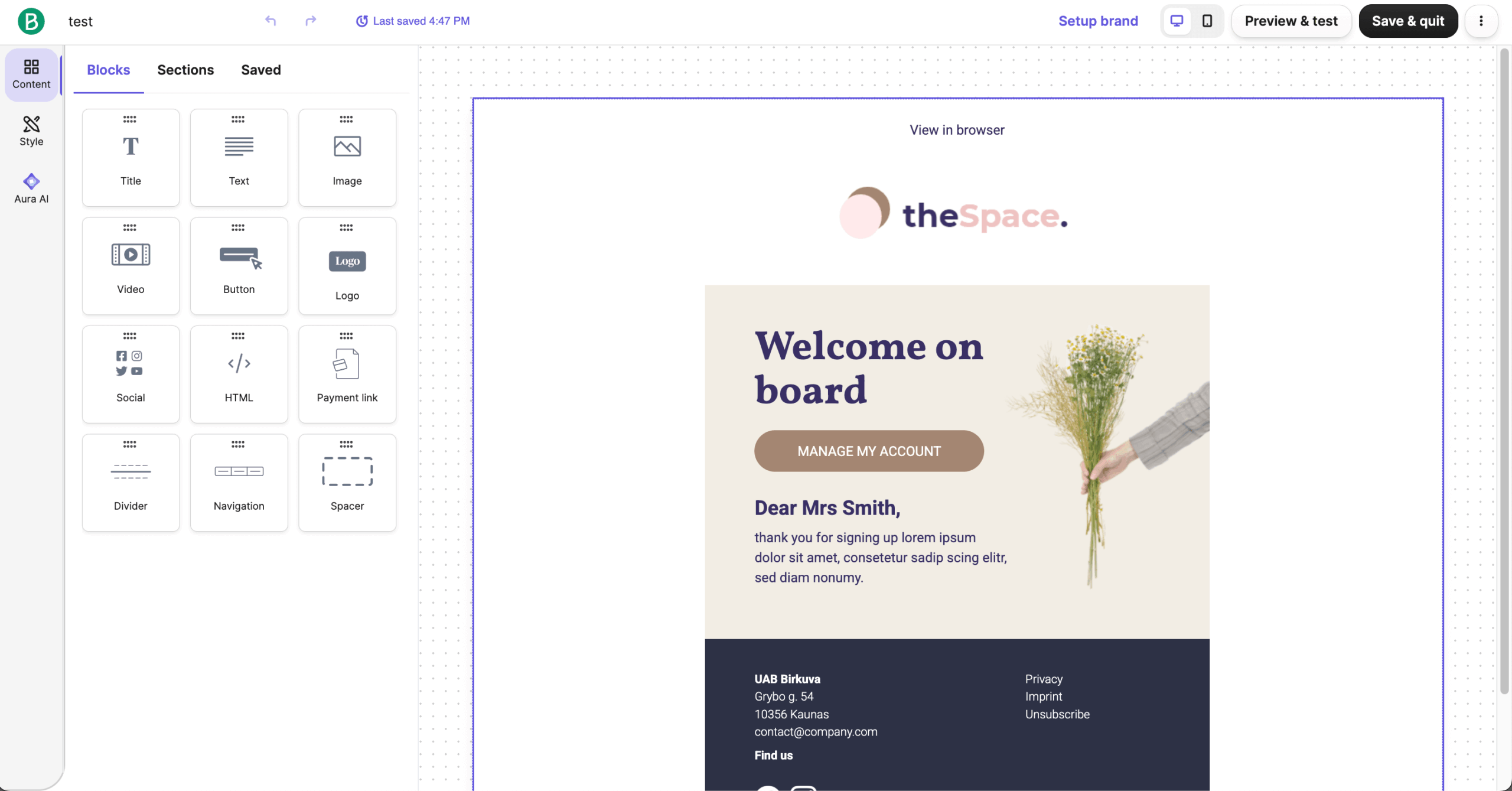
Create engaging email campaigns, manage sales pipelines, or connect with customers through chat and SMS, directly from your WordPress dashboard. You can also connect it with 150+ digital tools to simplify workflow and enhance productivity. For those seeking an affordable solution, Brevo offers competitive pricing with robust features.
Key Features
- Text & WhatsApp automation tools. Their platform enables seamless scheduling and automation of both SMS and WhatsApp messages alongside your email campaigns.
- A/B testing. Brevo provides robust split testing capabilities for all aspects of your campaigns from subject lines to content blocks.
- Advanced personalization features. Their system goes beyond basic name insertion with dynamic content blocks that adapt based on recipient data, behaviors, and preferences.
- Landing page builder. Brevo offers an intuitively fantastic tool for creating conversion-focused landing pages without needing separate software or coding skills.
Pros & Cons
Pros:
- Affordable pricing structure ideal for growing businesses;
- Multi-channel marketing capabilities (email, SMS, chat);
- Excellent transactional email features alongside marketing tools.
Cons:
- Template customization options are somewhat limited;
- Mobile app lacks some desktop functionality;
- Advanced segmentation requires higher-tier plans.
Best For
I’ve found that Brevo combines email, SMS, and chat capabilities into one affordable platform. Its multi-channel approach helps small businesses create cohesive marketing automation campaigns that reach customers through their preferred communication channels.
- Multi-channel customer communication. Coordinate email campaigns with SMS messages and live chat for comprehensive customer engagement. Multi-channel approaches can improve response rates compared to email-only strategies.
- Transactional and marketing emails combined. Send both promotional newsletters and critical transactional emails like order confirmations from one platform, simplifying your email infrastructure while maintaining high deliverability rates.
Plans & Pricing
- Free Plan: Up to 300 emails/day to unlimited subscribers (verify contact limits and current restrictions);
- Starter Plan: From $8/month for 5,000 emails to unlimited contacts;
- Starter Plan: From $16/month for 5,000 emails to unlimited contacts;
- Professional Plan: From $449/month for 150,000 emails to unlimited contacts;
- Enterprise Plan: Custom price for unlimited contacts and emails.
HubSpot — Free WordPress Email Plugin with Built-in CRM
HubSpot combines powerful email marketing with a full-featured CRM system, completely free for WordPress users.
Rating on WordPress: 4.3/5.0
Active installations: 300,000+

HubSpot Pricing: Starts at $11/month; HubSpot Free plan: 2,000 emails/month.
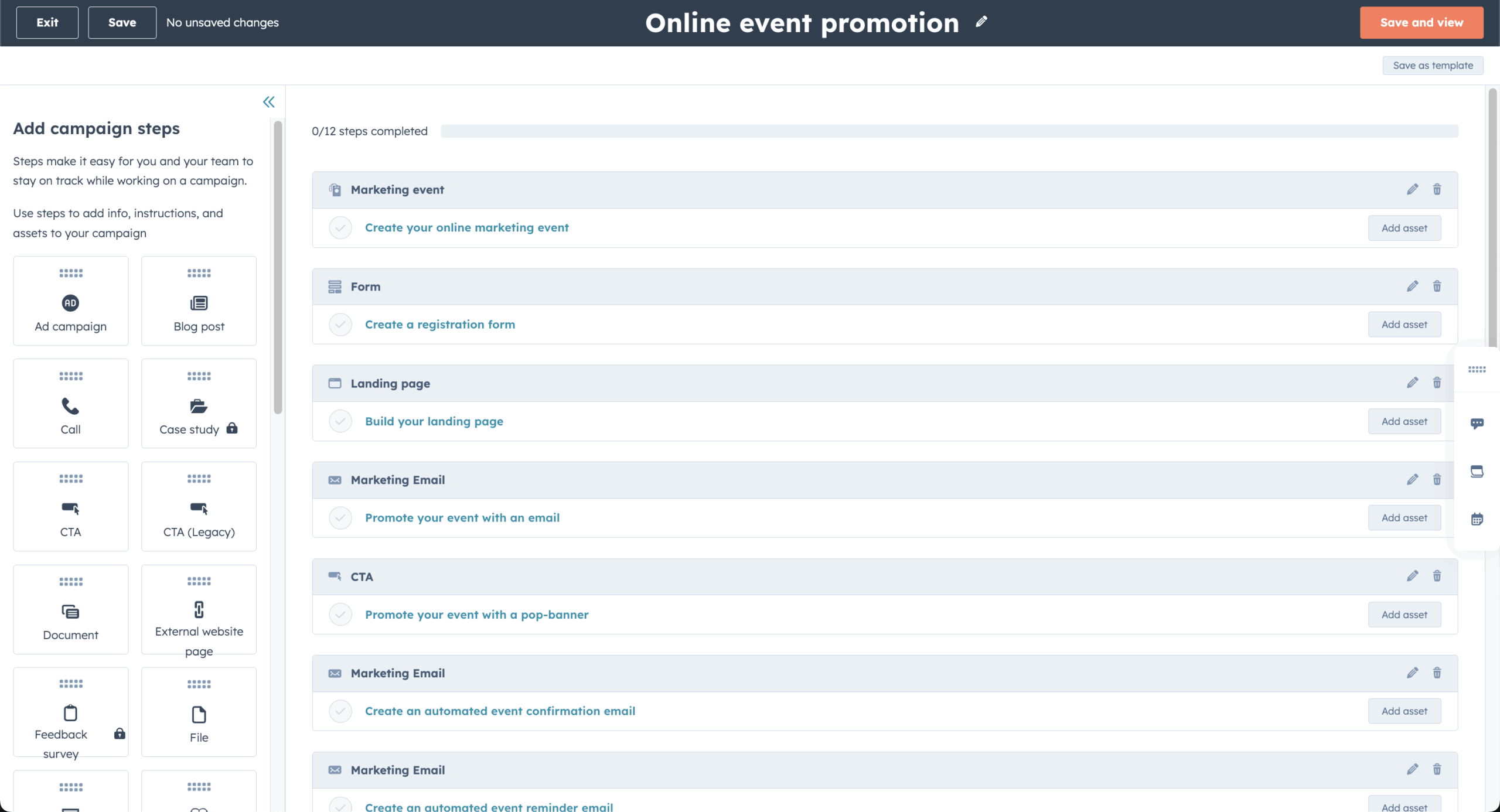
The HubSpot’s plugin automatically captures visitor information and tracks their interactions with your website, creating detailed contact profiles. You can design beautiful emails using their drag-and-drop editor, segment your audience based on behavior and properties, and automate follow-up sequences. The platform makes it easy to manage contacts and track customer interactions in one place.
The integrated CRM helps you manage customer relationships, track deals through your sales pipeline, and monitor all interactions in one centralized location.
HubSpot also includes live chat, forms, analytics, and reporting tools, plus push notifications for real-time engagement. While the free plan is generous, premium features unlock advanced automation, A/B email testing, and additional marketing tools for growing businesses seeking an all-in-one solution.
Key Features
- Free built-in CRM system. Their comprehensive customer relationship management platform tracks all visitor interactions, contact details, and deal progress without any cost limitations.
- Email marketing automation. HubSpot allows you to create sophisticated automated email workflows triggered by specific behaviors, form submissions, or contact properties.
- Lead capture forms. Their plugin includes customizable popup forms, embedded forms, and live chat widgets that automatically feed contacts into your CRM database.
- Advanced analytics dashboard. HubSpot provides detailed insights into email performance, website traffic, conversion rates, and ROI metrics all in one centralized reporting hub.
Pros & Cons
Pros:
- Genuinely powerful free plan with CRM and marketing tools;
- All-in-one solution eliminates need for multiple plugins;
- Excellent integration between email, CRM, and analytics;
- Scalable platform that grows with your business needs.
Cons:
- Can be overwhelming for users wanting simple email marketing;
- Advanced features require expensive premium plans;
- Heavier plugin that may impact site performance;
- Steeper learning curve compared to simpler alternatives.
Best For
I’ve seen HubSpot provide a complete marketing and CRM solution that grows with your business. Its free plan offers powerful tools for startups, while premium features support enterprises managing complex sales funnels and customer relationships.
- Integrated marketing campaigns. Combine email marketing, CRM and conversion tracking, and analytics in one platform to create cohesive campaigns. Unified platforms can improve lead conversion by providing complete visibility into customer journeys.
- Customer relationship management. Track every customer interaction from first website visit through purchase and beyond, enabling personalized communication and improved retention through automated workflows and detailed contact insights.
Plans & Pricing
- Free Plan: Free CRM with forms and email marketing (includes sending limits—verify current restrictions);
- Starter Plan: From $15/month for advanced marketing automation features;
- Professional Plan: From $800/month for marketing, sales, and service hubs;
- Enterprise Plan: From $3,600/month for advanced customization and reporting.
Mailchimp for WordPress — Email Marketing Plugin with Popup Builder
I’ve found Mailchimp useful for capturing leads on your WordPress website and sending automatic email marketing campaigns.
Rating on WordPress: 4.8/5.0
Active installations: 2+ million

Mailchimp Pricing: Starts at $13/month for 5,000 emails to 500 contacts; Mailchimp Free Plan: Up to 500 emails/month to 250 contacts.
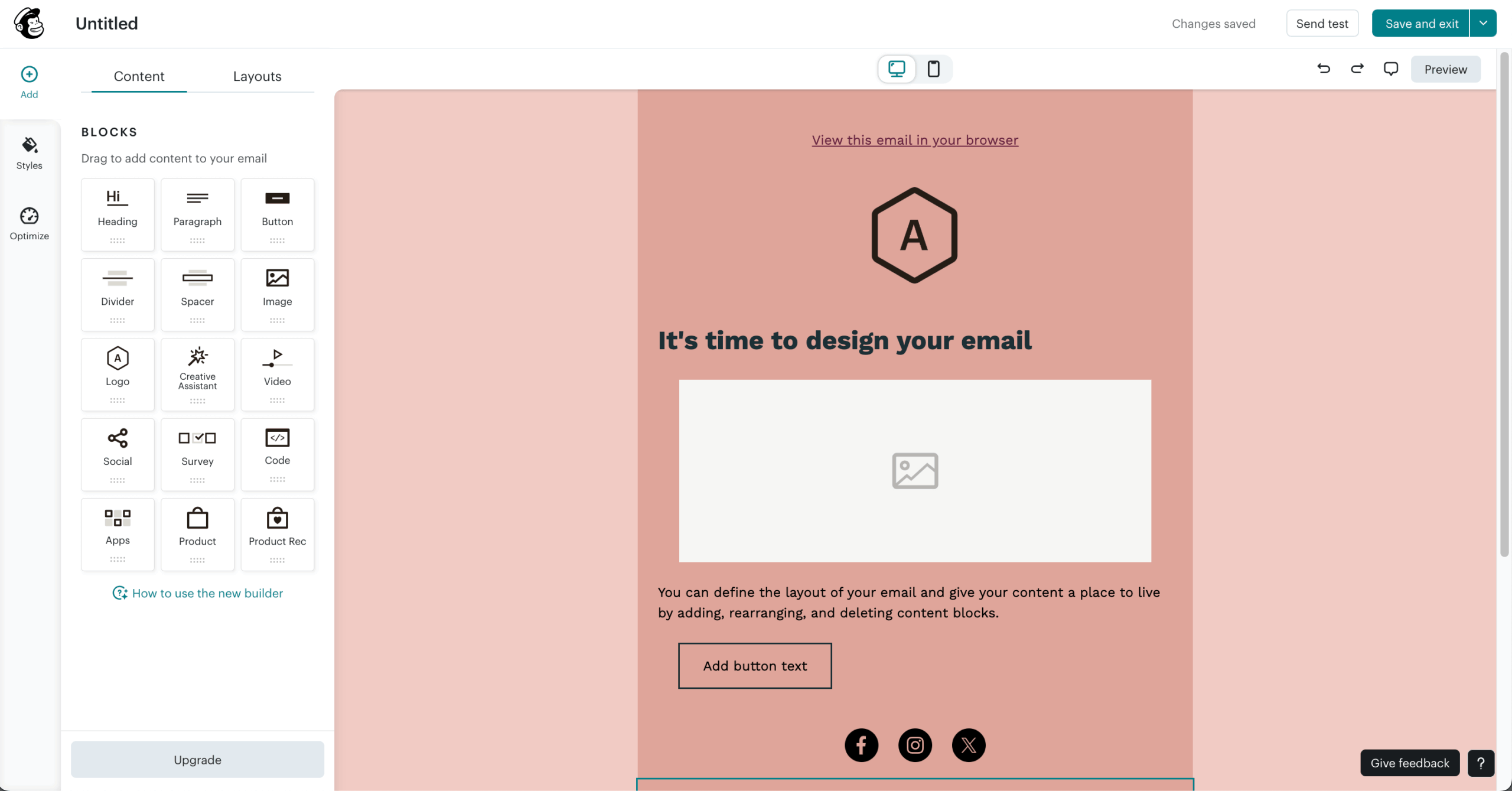
Its popup builder helps you set up a website popup quickly to help you grow your WordPress mailing list on autopilot. Then you can use its built-in features to send automated emails based on how visitors interact with your website or products.
Plus, you get detailed analytics reports to optimize your email marketing strategy for better results.
Key Features
- Popup customization. Their platform offers extensive options to design eye-catching signup forms and popups that match your brand identity.
- Behavior-based targeting. Mailchimp tracks how users interact with your content and automatically adjusts messaging accordingly.
- Detailed analytics. Their comprehensive reporting dashboard provides clear insights into campaign performance, subscriber growth, and engagement metrics with detailed email reports.
- A/B testing options. Mailchimp makes it simple to test different subject lines, content variations, and send times.
Pros & Cons
Pros:
- Extensive template library with professional design options;
- Robust A/B testing capabilities for continuous optimization;
- Excellent popup and form creation tools with targeting options.
Cons:
- Pricing increases significantly as subscriber count grows;
- Interface can become cluttered with advanced features;
- Customer support can be slow to respond on lower-tier plans.
Best For
Mailchimp seamlessly integrates with WordPress websites, making it simple to capture leads and manage email campaigns. I’ve seen its combination of powerful automation and user-friendly design work well for businesses at any stage.
- Newsletter campaigns and content distribution. Automatically notify new subscribers when you publish new blog posts, send curated content digests, and maintain regular communication that keeps your audience engaged with your brand.
- Audience segmentation and personalization. Divide subscribers based on interests, behavior, and engagement levels to send targeted campaigns that resonate. Segmented campaigns typically achieve higher open rates than non-segmented broadcasts.
Plans & Pricing
- Free Plan: Up to 500 emails/month to 250 contacts;
- Essentials Plan: From $13/month for 5,000 emails to 500 contacts;
- Standard Plan: From $20/month for 6,000 emails to 500 contacts;
- Premium Plan: From $350/month for 150,000 email to 500 contacts.
Constant Contact — Enterprise Email Marketing for WordPress
Constant Contact is one of the longest-standing email marketing platforms, offering a polished interface that makes campaign creation straightforward for businesses of all sizes.
Rating on WordPress: 20,000+
Active installations: 2.7/5.0

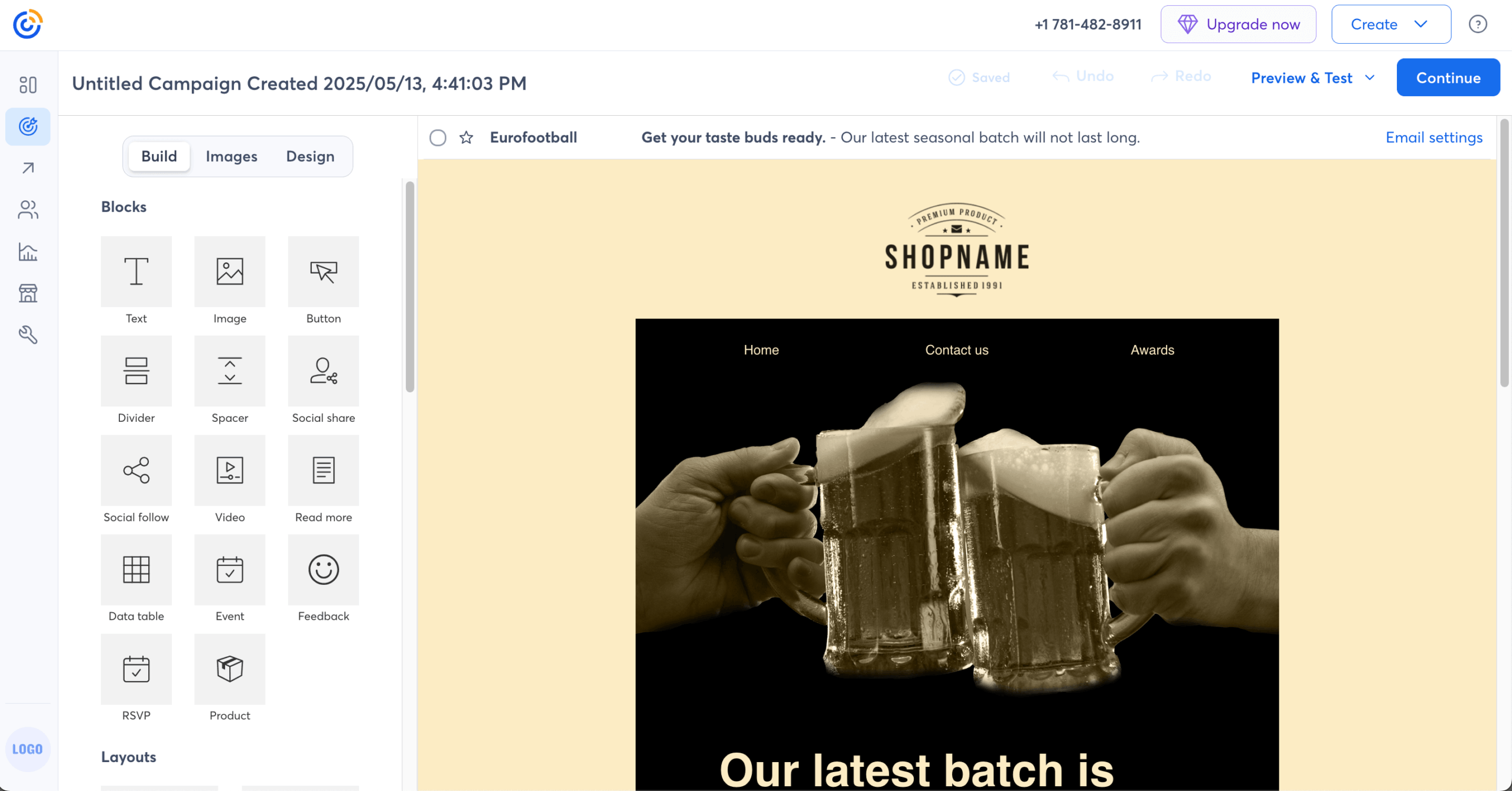
I’ve found that Constant Contact excels at providing a complete marketing toolkit beyond just email. You can manage email campaigns, create landing pages, run social media ads, and even handle event registrations all from one platform. Their drag-and-drop editor makes designing professional emails simple, and the platform connects with over 300 integrations including Shopify, Salesforce, and popular WordPress form plugins.
What stands out to me is their event management features, which let you handle invitations, registrations, and ticketing directly through the platform—a unique offering that most competitors don’t include.
Key Features
- Drag-and-drop email editor. Their visual builder includes hundreds of customizable templates that are mobile-responsive, making it easy to create professional campaigns without design skills.
- Marketing automation. Constant Contact allows you to set up automated welcome sequences, birthday emails, and resend campaigns to non-openers based on subscriber behavior.
- Advanced segmentation. Their platform lets you divide your audience based on engagement levels, purchase history, and custom criteria for more targeted messaging.
- Event management tools. Constant Contact uniquely includes features for creating event invitations, managing registrations, and processing payments—ideal for businesses that host webinars or in-person events.
Pros & Cons
Pros:
- Generous 60-day free trial to test all features;
- High email deliverability rates (reported around 97%);
- Extensive library of 300+ third-party integrations.
Cons:
- Pricing increases significantly as contact list grows;
- Automation features are more basic compared to specialized tools;
- No free plan available after trial period.
Best For
I’ve seen Constant Contact work particularly well for established businesses that need reliable email delivery combined with event management capabilities. Its intuitive interface makes it accessible for teams without dedicated marketing specialists.
- Event-driven businesses. Manage webinar invitations, workshop registrations, and event ticketing alongside your email campaigns. The integrated event tools eliminate the need for separate event management software while keeping all attendee data in one place.
- Multi-channel marketing campaigns. Coordinate email marketing with social media ads and landing pages from a single dashboard, creating cohesive campaigns that reach customers across multiple touchpoints.
Plans & Pricing
- Lite Plan: From $12/month for up to 500 contacts with basic email marketing features;
- Standard Plan: From $35/month for up to 500 contacts with A/B testing and automation templates;
- Premium Plan: From $80/month for up to 500 contacts with advanced automation and SEO tools.
MailPoet — Great Plugin for Creating and Sending Newsletters
MailPoet is a dedicated WordPress newsletter plugin designed for WordPress users.
Rating on WordPress: 4.4/5.0
Active installations: 500,000+

MailPoet Pricing: Starts at $10/month for unlimited emails to 500 contacts; Free Plan: Up to 5,000 emails/month to 500 contacts.
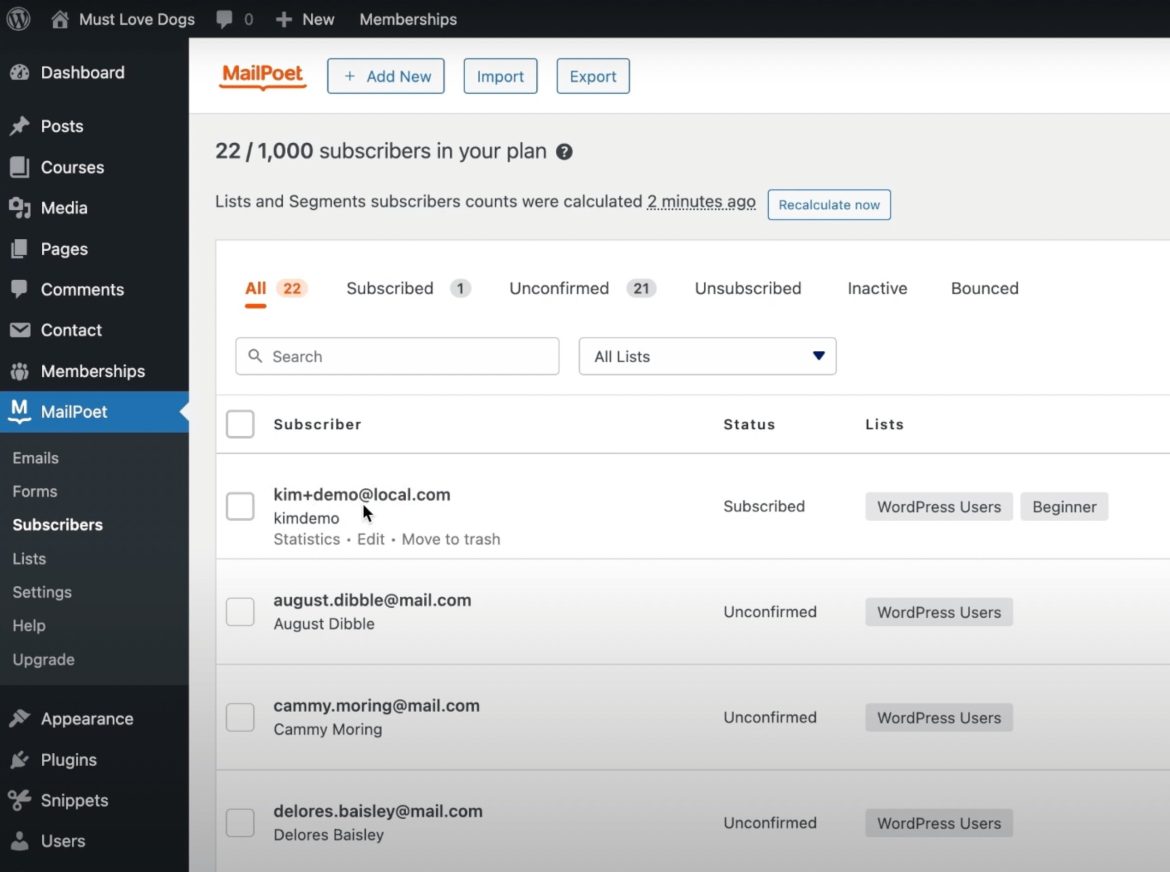
You can set it up directly into your WordPress dashboard and start creating beautiful emails. Use it to send newsletters, automate welcome email series, and notify readers of your latest posts.
I appreciate that features like list segmentation and behavior-based WordPress email automation make it a useful newsletter plugin if you want to set up personalized or automated emails for your email list.
Key Features
- WordPress-focused features. Their plugin integrates natively with WordPress, syncing seamlessly with your existing users, posts, and WooCommerce products.
- Automated campaigns. MailPoet enables you to create sophisticated email sequences triggered by specific user actions or time intervals.
- Email template library. Their collection includes dozens of professionally designed, responsive templates specifically optimized for WordPress businesses.
- List segmentation. MailPoet allows you to divide subscribers based on engagement metrics, purchase history, and custom fields.
Pros & Cons
Pros:
- Native WordPress integration with seamless user experience;
- Works directly from your dashboard without third-party logins;
- WooCommerce-specific features for ecommerce sites.
Cons:
- Limited functionality compared to standalone platforms;
- Free version caps at 500 subscribers;
- Fewer advanced automation options than specialized tools.
Best For
I’ve noticed that MailPoet operates entirely within your WordPress dashboard, eliminating the need for external platforms. This native integration makes it particularly effective for WordPress-focused businesses wanting streamlined email marketing automation without platform switching.
- WordPress content marketing. Send newsletters featuring your latest posts, create automated post notification emails, and engage readers without leaving your WordPress admin. Automated newsletters can help drive more traffic back to your blog content.
- WooCommerce email automation. Set up abandoned cart emails, post-purchase follow-ups, and product recommendation campaigns that leverage your existing WooCommerce data for personalized customer communication.
Plans & Pricing
- Free Plan: Up to 5,000 emails/month to 500 contact;
- Business Plan: From $10/month for unlimited emails to 500 contacts;
- Agency Plan: From $30/month for unlimited emails to 500 contacts/site.
Klaviyo — WooCommerce Email Marketing Plugin for Business
I’ve found Klaviyo to be a useful WooCommerce email marketing tool for WooCommerce store owners who want to capture behavioral data for personalizing campaigns.
Rating on WordPress: 2.9/5.0
Active installations: 100,000+

Klaviyo Pricing: Starts at $20/month for 500 contacts and 5,000 emails; Klaviyo Free Plan: Up to 250 contacts and 500 emails/month.
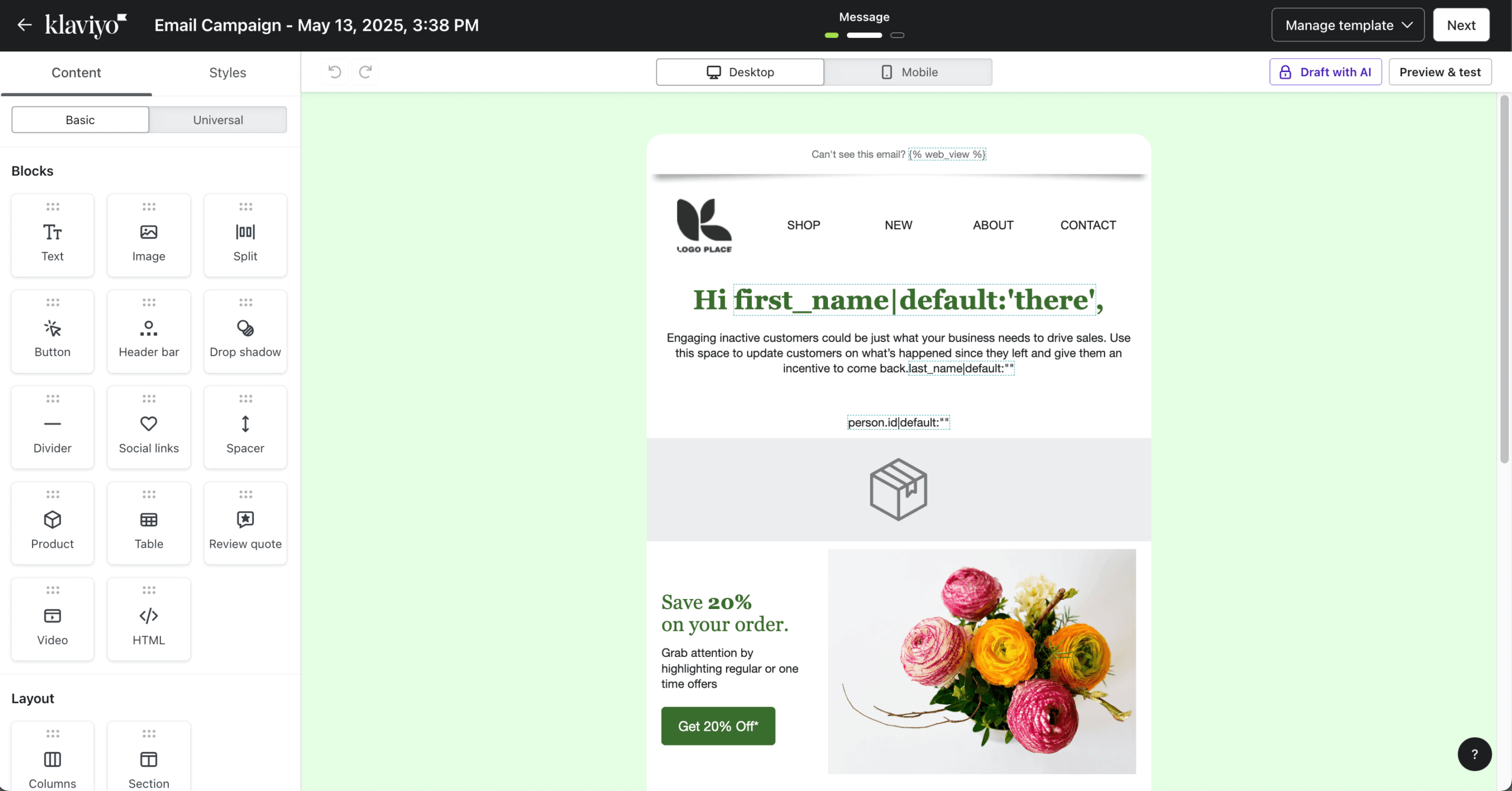
It syncs automatically to your WooCommerce dashboard to help you design and personalize campaigns based on online activity. Personalize content, send contextual SMS, or automate review requests. Klaviyo is particularly powerful for ecommerce stores looking to maximize customer lifetime value.
The analytics dashboard helps track the average cart size, average order count, average order value, and order details to help with data-driven decision making.
Key Features
- Real-time segmentation. Their platform allows you to instantly divide your audience based on behaviors, purchases, and engagement patterns.
- Dynamic email content. Klaviyo automatically personalizes email content for each recipient using their browsing history and purchase data.
- AI-driven insights. Their artificial intelligence analyzes customer data to provide actionable recommendations and predictive analytics.
- 2-way SMS conversations. Beyond standard text messaging, Klaviyo enables genuine conversations with customers via SMS.
Pros & Cons
Pros:
- Sophisticated ecommerce marketing automation specifically for online stores;
- Exceptional customer segmentation based on purchase behavior;
- Powerful predictive analytics for customer lifetime value.
Cons:
- Premium pricing structure that can be costly for small businesses;
- Steep learning curve to utilize full feature set;
- Can be overkill for simple email marketing needs.
Best For
Klaviyo delivers powerful data-driven marketing automation specifically designed for e-commerce businesses. I’ve seen its deep integration with online stores enable highly personalized campaigns based on actual shopping behavior and purchase history.
- Ecommerce email and SMS automation. Create sophisticated flows for browse abandonment, post-purchase upsells, and win-back campaigns that leverage real-time shopping data. E-commerce stores using advanced automation often see strong returns on their email marketing investment.
- Predictive analytics and customer insights. Use AI-powered recommendations to identify high-value customers, predict next purchase dates, and calculate lifetime value for data-driven marketing decisions that maximize revenue.
Plans & Pricing
- Free Plan: Up to 250 contacts and 500 emails/month;
- Email Plan: Starting at $20/month for 500 contacts and 5,000 emails;
- Email & SMS Plan: Starting at $20/month for 500 contacts and 5,000 emails;
- Enterprise Plan: Custom pricing for businesses with over 500,000 contacts.
FluentCRM — WordPress Email Marketing CRM Plugin
FluentCRM is a self-hosted email marketing automation plugin for WordPress. Manage leads and customers, broadcast email campaigns, automate email flows directly from your WordPress dashboard.
Rating on WordPress: 4.7/5.0
Active installations: 70,000+

FluentCRM Pricing: Starts at $129 for single site.
I find that sending targeted email campaigns is easy with FluentCRM. Create beautiful emails and choose dynamic segments, or simply filter out contacts using custom queries before sending a campaign.

Key Features
- Email campaign management. Their WordPress-native platform streamlines the entire process from creation to scheduling and performance/email campaign tracking.
- Automated email sequences. FluentCRM offers powerful workflow automation that triggers personalized emails based on specific user actions and timeline conditions.
- Smart contact segmentation. Their system uses dynamic tags and lists that automatically categorize contacts based on behaviors, interests, and engagement patterns.
- 360° subscriber & customer data tracking. FluentCRM creates comprehensive profiles that capture every interaction across your website, products, and marketing touchpoints.
Pros & Cons
Pros:
- Fully native WordPress integration with no external dependencies;
- One-time payment option instead of recurring subscriptions;
- Deep integration with popular WordPress plugins and forms.
Cons:
- Newer platform with fewer templates than established competitors;
- Limited direct integrations with non-WordPress services;
- Learning curve for maximizing advanced features.
Best For
FluentCRM provides self-hosted email marketing and CRM functionality directly within WordPress. I appreciate this approach as it gives you complete control over your data while eliminating recurring subscription costs for growing contact lists.
- Email marketing automation with full control. Create sophisticated automation workflows, segment contacts dynamically, and manage campaigns without monthly per-subscriber fees. The one-time payment model can result in significant savings compared to monthly subscription services, especially as your contact list grows.
- WordPress-based customer management. Track customer interactions, purchases, and engagement across your WordPress ecosystem while maintaining complete data ownership and privacy compliance without third-party dependencies.
Plans & Pricing
- Basic Plan: Yearly payment of $129 for single site;
- Plus Plan: Yearly payment of $249 for 5 sites;
- Agency Plan: Yearly payment of $499 for 50 sites.
Groundhogg — WordPress Marketing Automation & CRM Plugin
Groundhogg is a self-hosted marketing automation and CRM plugin built specifically for WordPress. It lets you manage contacts, build email automation workflows, and run marketing campaigns directly from your dashboard, while keeping full control over your customer data.
Rating on WordPress: 4.7/5.0
Active installations: 20,000+
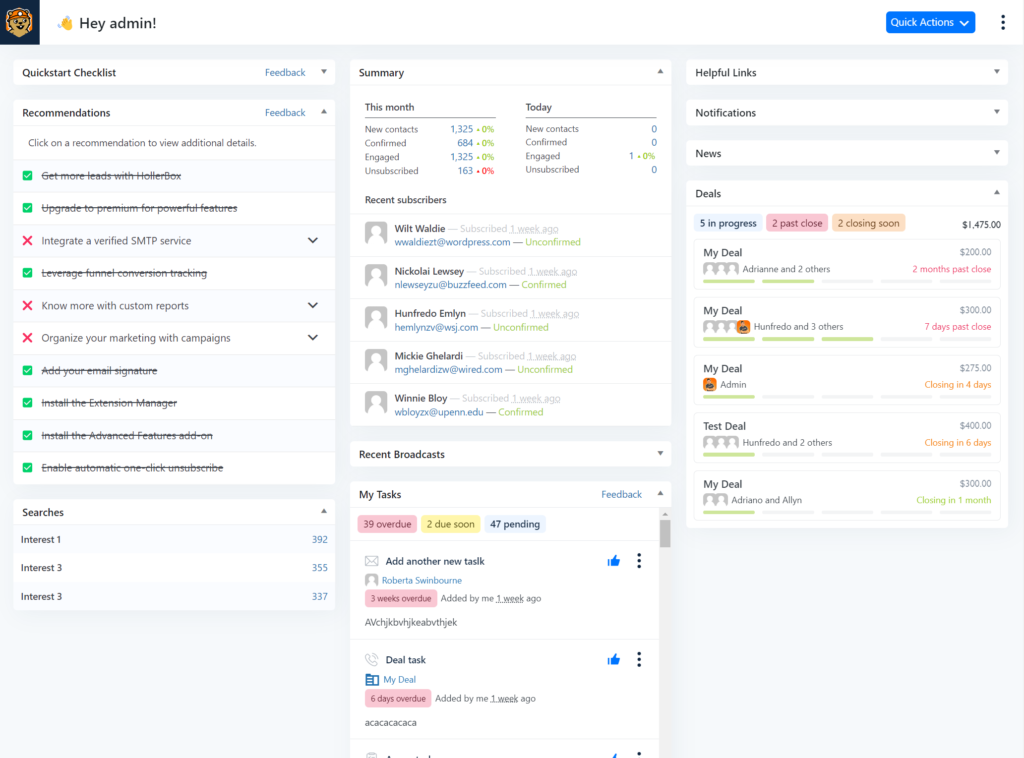
The platform focuses on funnel-based automation, allowing you to design customer journeys using visual workflows triggered by form submissions, page visits, purchases, and other behavioral events.
Because Groundhogg is self-hosted, email sending relies on external SMTP providers such as Amazon SES, SendGrid, or Mailgun. This gives you flexibility over deliverability and costs, but also requires additional setup compared to cloud-based email platforms.
Key Features
- Visual automation funnels for building multi-step email workflows and customer journeys;
- Built-in CRM with contact timelines, notes, and tagging;
- Native forms and landing pages for lead capture;
- Deep WordPress and WooCommerce integration for behavioral triggers.
Pros & Cons
Pros:
- Full data ownership with self-hosted CRM and automation;
- Powerful workflow builder for complex automation scenarios;
- No per-subscriber fees once licensed.
Cons:
- Requires third-party SMTP service for reliable email delivery;
- Setup and maintenance are more technical than hosted platforms;
- No free plan for production use.
Best For
Groundhogg is best suited for marketers and agencies that want advanced automation inside WordPress without recurring per-subscriber costs. It works well for building customer lifecycle emails, lead nurturing funnels, and WooCommerce-triggered automation while retaining full control over contact data.
Plans & Pricing
- Basic plan: $20/month per site;
- Plus plan: $40/month for up to 3 sites;
- Pro plan: $50/month for up to 5 sites;
- Agency plan: $100/month for up to 25 sites.
Mailster — Self-Hosted WordPress Newsletter Plugin
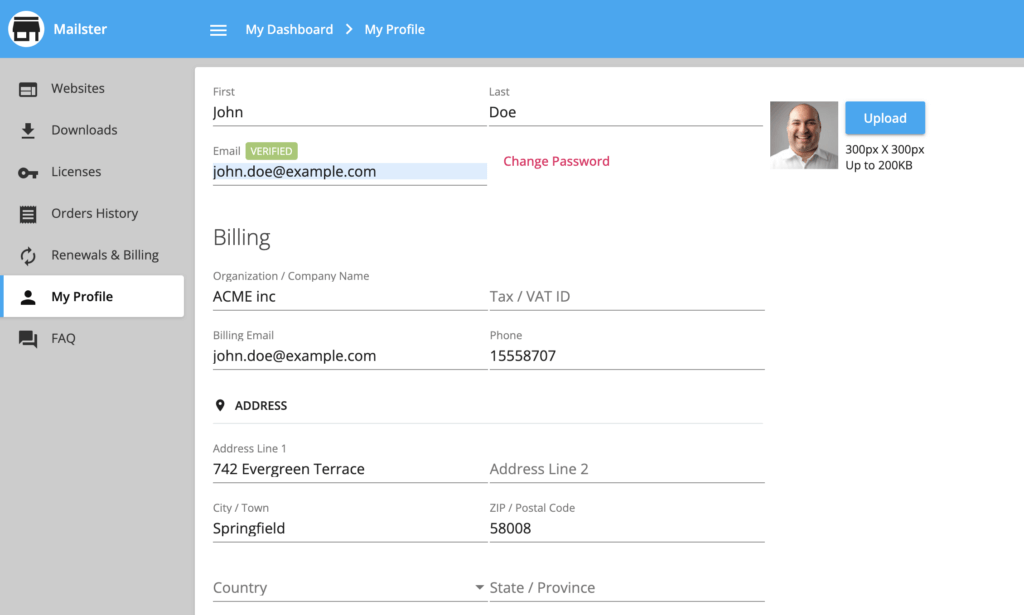
Mailster is a self-hosted newsletter and campaign management plugin for WordPress that focuses on simplicity and control. It provides a visual drag-and-drop email editor, subscriber management, and basic automation tools directly inside your WordPress admin.
Rating on WordPress: 4.2/5.0
Active installations: 9,000+
Unlike cloud ESPs, Mailster stores your lists locally and sends emails through connected SMTP services or transactional email APIs.
This approach gives you full ownership of subscriber data and avoids recurring per-contact fees, but performance and deliverability depend heavily on your chosen email provider and server configuration.
Key Features
- Drag-and-drop email editor with responsive templates;
- Subscriber lists, segmentation, and campaign scheduling;
- Automation workflows for basic drip email campaigns;
- Support for SMTP and transactional email services.
Pros & Cons
Pros:
- One-time license with no per-subscriber fees;
- Full control over subscriber data inside WordPress;
- Simple setup for newsletters and basic automation.
Cons:
- Requires external SMTP service for scalable sending;
- Fewer advanced automation features than CRM-style plugins;
- Performance can be affected on high-volume sends.
Best For
Mailster is best for publishers, bloggers, and small sites that want a lightweight, self-hosted newsletter solution without ongoing platform fees. It’s suitable for sending regular newsletters, content updates, and simple drip email campaigns from within WordPress.
Plans & Pricing
- Starter plan: $79/year per site;
- Professional plan: $99/year per site;
- Agency plan: $199/year per site.
The Newsletter Plugin — Free Self-Hosted Solution
The Newsletter Plugin offers a completely self-hosted approach to email marketing, giving you full control over your subscriber data without recurring per-subscriber fees.
Rating on WordPress: 4.6/5.0
Active installations: 300,000+
I appreciate that this plugin operates entirely within your WordPress dashboard—there’s no need to log into external platforms or pay monthly fees based on list size. You manage unlimited subscribers and send unlimited emails directly from your server, which can result in significant cost savings as your list grows.
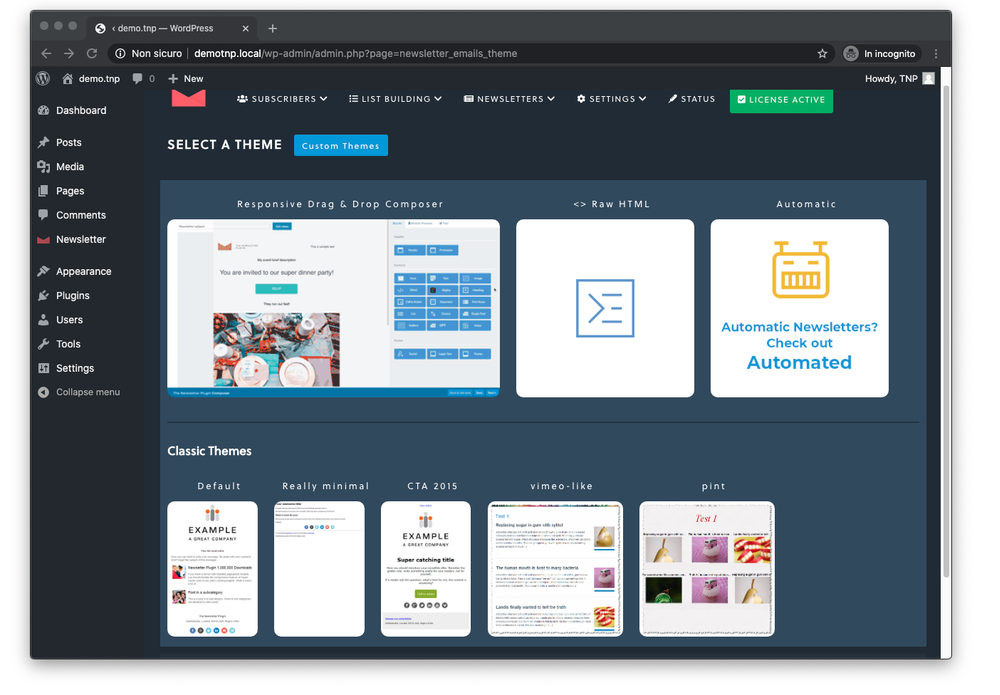
The plugin includes a visual drag-and-drop composer with over 20 content blocks, making it easy to design newsletters that include blog posts, images, and custom content. It also integrates seamlessly with popular SMTP plugins like WP Mail SMTP to ensure reliable delivery.
Key Features
- Visual drag-and-drop composer. Their intuitive editor includes over 20 blocks for images, posts, products, CTAs, and more, letting you build professional newsletters without coding knowledge.
- Unlimited subscribers and emails. The Newsletter Plugin doesn’t impose any limits on contacts or sends—your only restrictions are those set by your hosting provider.
- Flexible subscription forms. Their platform offers multiple form types including popups, widgets, shortcodes, and in-post forms with double opt-in and GDPR compliance built in.
- Advanced targeting options. The Newsletter Plugin allows you to segment subscribers using list combinations, custom fields, and language filters for personalized campaigns.
Pros & Cons
Pros:
- No per-subscriber fees—pay once for premium features;
- Complete data ownership with self-hosted solution;
- Compatible with all major SMTP plugins for reliable delivery.
Cons:
- Requires external SMTP service for best deliverability;
- Premium addons needed for advanced automation features;
- More technical setup compared to hosted alternatives.
Best For
The Newsletter Plugin is ideal for WordPress users who want complete control over their email marketing without ongoing subscription costs. I’ve found it works particularly well for those comfortable with a more hands-on approach to email delivery.
- Budget-conscious list building. Grow your subscriber list without worrying about escalating monthly fees. Since there are no per-contact charges, the plugin becomes increasingly cost-effective as your audience expands.
- Privacy-focused businesses. Maintain full ownership of your subscriber data without sharing it with third-party services. The self-hosted approach ensures complete control over how contact information is stored and used.
Plans & Pricing
- Free Version: Core features including unlimited subscribers, drag-and-drop composer, and basic analytics;
- Blogger Plan: €69/year (approximately $75) for essential premium addons;
- Agency Plan: €269/year (approximately $290) for all addons and multiple site licenses;
- Developer Plan: Custom pricing for agencies with unlimited client sites.
WP Mail SMTP — Best for WordPress Email Deliverability
WP Mail SMTP fixes WordPress’s email delivery problems by replacing the default PHP mail function with proper SMTP authentication.
This significantly improves your email deliverability rates, ensuring important messages like password resets, order confirmations, and contact form notifications actually reach inboxes instead of spam folders. It’s widely regarded as the best WordPress SMTP plugin for solving delivery issues.
Rating on WordPress: 4.8/5.0
Active installations: 4+ million
WP Mail SMTP Pricing: Starts at $49/year for 1 site.
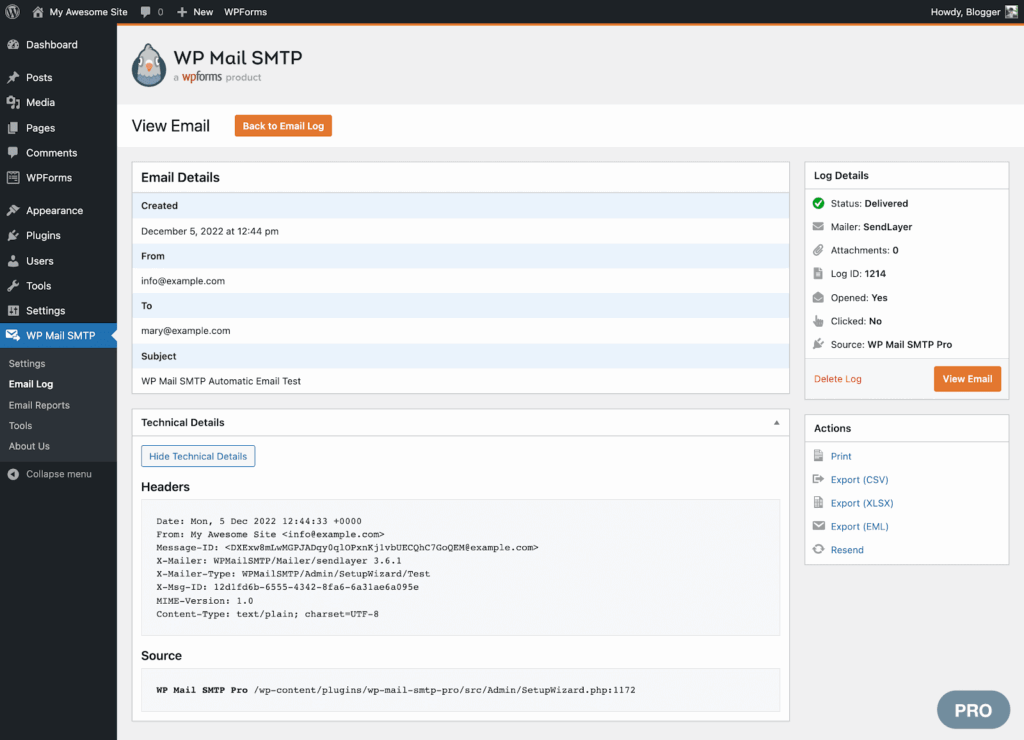
The WP Mail SMTP plugin supports major email providers including Gmail, SendGrid, Mailgun, and Amazon SES. Setup is straightforward with step-by-step configuration wizards for each provider. You can test your email settings directly from the dashboard and monitor delivery logs to troubleshoot issues.
Whether you’re running an e-commerce store or membership site, reliable email delivery is critical for maintaining customer trust and communication. This is among the best WordPress SMTP plugin options available.
Key Features
- SMTP authentication setup. Their plugin replaces unreliable PHP mail with authenticated SMTP server connections, significantly improving email deliverability rates across all providers.
- Multiple mailer support. WP Mail SMTP works with SendGrid, Mailgun, Gmail, Amazon SES, Outlook, and other popular email services for flexible SMTP configuration WordPress options.
- Email logging and tracking. Their system records all outgoing emails with detailed logs, making it easy to troubleshoot delivery issues and monitor success rates.
- Built-in email testing. WP Mail SMTP includes a test email feature that verifies your configuration is working correctly before sending to actual recipients with proper email authentication.
Pros & Cons
Pros:
- Solves WordPress’s notorious email deliverability issues effectively;
- Compatible with all major SMTP plugins providers and services;
- Detailed email logs help diagnose delivery problems quickly;
- Simple setup process with clear setup wizards.
Cons:
- Free version lacks email logging and backup features;
- Requires external SMTP service (additional cost for high volume);
- Limited functionality beyond fixing email delivery.
Best For
I’ve found that WP Mail SMTP ensures critical emails reach their destination by replacing WordPress’s unreliable default email system with authenticated SMTP connections. It’s essential for maintaining professional communication and customer trust.
- Transactional email delivery. Guarantee order confirmations, password resets, and account notifications reach recipients reliably, preventing customer frustration and support tickets from missed emails. This is a reliable WordPress SMTP plugin for WordPress transactional email needs.
- WordPress site administration. Ensure you receive critical admin notifications about security alerts, form submissions, and site updates that keep your website running smoothly and securely.
Plans & Pricing
- Pro Plan: $99/year for 1 site;
- Elite Plan: $149/year for 1 site and unlimited priority;
- Developer Plan: $149/year for 20 sites;
- Agency Plan: $449/year for 100 sites.
Advantages of WordPress Email Marketing
WordPress Email Marketing offers significant benefits for website owners looking to enhance their digital marketing strategy. By integrating email campaigns directly with your WordPress blog, you can create a seamless experience that drives engagement and conversions without switching between multiple platforms.
- Integrated email marketing solution that reduces the need for multiple platforms, allowing you to manage your website and email campaigns from a single dashboard.
- Access to all the data you need for targeted campaigns, including user behavior, purchase patterns, and engagement metrics stored directly in your WordPress database.
- Easy creation and management of mailing lists based on various user segments, enabling personalized communication with different audience groups.
- Ability to send bulk emails efficiently while maintaining deliverability standards, thanks to WordPress plugins that optimize email sending processes and help you send email at scale.
- Cost-effective integration with SMTP services that improve email deliverability rates and provide detailed analytics on campaign performance without requiring technical expertise.
WordPress Email Marketing FAQs
Who should use WordPress email marketing plugins?
WordPress email marketing plugins are commonly used by content publishers, small businesses, and ecommerce stores using WooCommerce. Also, site owners who want to collect subscribers, send newsletters, and trigger transactional or behavioral emails directly from WordPress.
Are WordPress plugins or external platforms better for deliverability?
External platforms generally provide stronger deliverability because they manage sender reputation, authentication, and sending infrastructure outside the WordPress server. WordPress plugins that offload sending to dedicated email services reduce the risk of IP reputation issues and server throttling.
Can WordPress email plugins replace standalone email platforms?
Yes, some WordPress email plugins can replace standalone email marketing platforms for basic newsletters, subscriber management, and simple automations. Limitations appear with high-volume sending, advanced segmentation, and detailed deliverability controls, which are typically stronger in dedicated email platforms.
How do WordPress email plugins integrate with WooCommerce?
WooCommerce integration depends on access to store events such as cart updates, order status changes, and customer profiles. Plugins with native WooCommerce hooks can trigger abandoned cart emails, post-purchase messages, and product-based segmentation.
Integration quality varies by plugin, especially for handling refunds, subscriptions, and order metadata. Reliable integration also requires accurate event timing and stable webhooks to avoid missed or duplicated messages.
What performance impact do email plugins have on WordPress?
Email plugins can affect performance through database growth from subscriber records and logs, background tasks for queues and cron jobs, and resource usage during bulk sends. Self-hosted sending increases server load, while offloaded sending reduces strain on the WordPress environment.